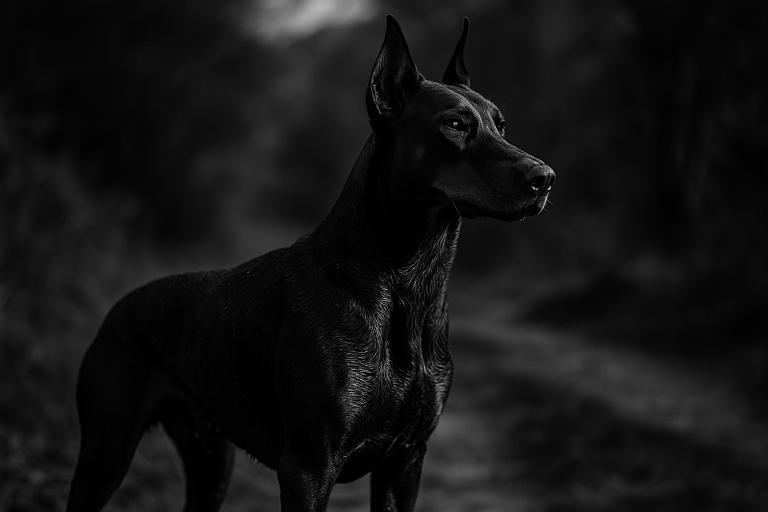
Affiliate Disclosure: Some of the links in this post are affiliate links. This means we may earn a small commission if you make a purchase through these links—at no extra cost to you. We only recommend products and tools that we genuinely believe will help you with your Doberman.
Your Doberman just bounded through the door after an epic morning hike. Mud splattered on her chest. Leaves stuck in her coat. Paws caked with trail dirt. She’s grinning ear to ear, tongue hanging out, completely pleased with herself.
And you? You’re staring at the muddy paw prints across your floor, wondering how you’re supposed to keep this adventure-loving dog clean without spending hours grooming every single day.
Sound familiar?
Active Dobermans—the ones who live for hikes, sprints through the park, swims in the lake, and rolling in everything nature offers—need a different grooming approach than couch-potato Dobermans. Their lifestyle exposes them to more dirt, debris, water, and rough terrain. That means more frequent cleaning, smarter routines, and knowing exactly what to do after each adventure.
This complete guide gives you everything you need to keep your active Doberman clean, healthy, and looking sharp—without it taking over your life. Whether your dog swims daily, hikes every weekend, or just loves rolling in mud puddles, you’ll find practical, time-saving grooming strategies here.
Let’s dive in and turn that muddy mess into a clean, happy companion.
- Understanding Your Active Doberman’s Coat
- Essential Grooming Tools for Active Dobermans
- Daily Grooming Routine for Active Dobermans
- Weekly Deep Grooming Routine
- Bathing Your Active Doberman
- Activity-Specific Grooming Protocols
- Seasonal Grooming Adjustments
- Health Checks During Grooming
- Time-Saving Grooming Hacks
- Troubleshooting Common Issues
- Conclusion
- Frequently Asked Questions
Understanding Your Active Doberman’s Coat
Before we talk about grooming routines, let’s understand what makes your Doberman’s coat unique—and why active dogs need special attention.
The Doberman Coat: Built for Activity
Dobermans have short, sleek coats that lie close to their skin. This single-layer coat is actually perfect for active lifestyles. The smooth texture naturally repels dirt and debris. Mud that would mat in a Golden Retriever’s fur often brushes right off a Doberman once it dries.
But there’s one exception: the chest and neck area. This spot has a slightly thicker, almost double-layer coat. It’s the one place where dirt, burrs, and tangles like to hide. When you’re grooming your active Doberman, this area needs extra attention.
Dobermans shed moderately year-round, with two heavier shedding seasons in spring and fall. During these molting periods, you’ll notice more loose hair around the house—and more brushing becomes essential.
Why Active Dobermans Need Special Grooming Attention
Think about what your dog encounters on a typical adventure:
On a hike: Dust, pollen, burrs, sticks, leaves, trail debris, ticks, and potentially rough terrain that affects paw pads.
Swimming: Chlorine from pools, salt from ocean water, bacteria from lakes, or algae from ponds. All of these can irritate skin if left on the coat.
Beach trips: Sand gets everywhere—in paws, ears, and coat. Saltwater dries out skin. Hot sand can burn paw pads.
Muddy walks: Clay-heavy mud sticks to chest, belly, and legs. It can mat if you don’t clean it promptly.
Winter activities: Snow clumps between paw pads. De-icing salt irritates skin. Cold, dry air causes flaky skin.
An active Doberman’s grooming needs are 2-3 times more demanding than a dog who lounges indoors all day. But with the right approach, it doesn’t have to be overwhelming.
Grooming Frequency: Active vs. Sedentary Dobermans
How often you groom depends entirely on your dog’s activity level.
| Activity Level | Brushing | Bathing | Paw Care | Ear Cleaning |
|---|---|---|---|---|
| Light (short walks, mostly indoors) | Once weekly | Every 6-8 weeks | Monthly | Monthly |
| Moderate (daily walks, occasional hikes) | 2-3x weekly | Every 4-6 weeks | 2x monthly | 2x monthly |
| Heavy (daily hiking, swimming, outdoor sports) | Daily | Every 2-4 weeks | Weekly | Weekly |
Notice how grooming frequency doubles or triples for active dogs? That’s because their exposure to dirt, water, and environmental elements increases dramatically.
Essential Grooming Tools for Active Dobermans
The right tools make grooming faster, easier, and more effective. Here’s what you actually need—not the fancy stuff, just what works.
Must-Have Brushing Tools
Rubber grooming mitt (Kong Zoom Groom): This is your number-one tool. The rubber nubs grab loose hair, massage the skin, and work beautifully on Doberman’s short coat. It feels like a massage to your dog, so they actually enjoy it.
Soft bristle brush: Perfect for daily quick brush-throughs and distributing natural oils for coat shine.
Deshedding tool: Only needed during spring and fall shedding season. The FURminator or similar tools pull out that stubborn undercoat from the chest and neck area.
Curry brush: Great for muddy dogs. Use it in circular motions to loosen dried dirt before brushing it away.
Bathing Supplies
Gentle, pH-balanced dog shampoo: Look for oatmeal-based formulas. These soothe skin while cleaning effectively. Avoid anything with harsh chemicals or strong fragrances.
Hypoallergenic shampoo: Keep one bottle on hand for dogs with sensitive skin. Dobermans are prone to skin sensitivity, so this is your backup plan.
Waterless or dry shampoo: This is a lifesaver for quick cleans between baths. Spray it on, massage in, brush out. Perfect after a dusty hike when your dog isn’t muddy enough for a full bath.
Microfiber quick-dry towels: These absorb way more water than regular towels. One good towel gets your Doberman 80% dry in minutes.
Chamois cloth: After towel drying, wipe down with a chamois. It removes the last bit of moisture and leaves the coat incredibly shiny.
Paw Care Tools
Nail clippers or grinder: Active dogs often wear their nails down naturally, but you’ll still need to trim occasionally. Grinders are gentler and let you shape nails smoothly.
Paw balm: Protects paw pads from rough terrain, hot pavement, ice, and salt. Apply before and after outdoor activities.
Styptic powder: Accidents happen during nail trimming. This stops bleeding instantly if you cut the quick.
Paw wipes: Keep a container by the door for quick paw cleaning when your dog comes inside.
Ear, Eye, and Teeth Care
Ear cleaning solution: Choose a veterinary-approved formula. Never use alcohol or hydrogen peroxide—they’re too harsh.
Cotton balls or pads: For gentle ear cleaning. Never use Q-tips inside the ear canal.
Dog toothbrush and toothpaste: Human toothpaste is toxic to dogs. Get the dog-specific kind (often flavored like chicken or peanut butter).
Dental chews: Supplement brushing with quality dental chews that mechanically clean teeth.
On-the-Go Grooming Kit
For camping trips, long hikes, or travel, pack a portable kit:
- Travel-size dry shampoo
- Small soft brush
- Paw wipes
- Paw balm
- Collapsible water bowl (for rinsing)
- Microfiber towel
- Tick removal tool
Keep this kit in your car or hiking backpack so you’re always prepared.
Daily Grooming Routine for Active Dobermans
Daily grooming doesn’t mean hour-long sessions. It means quick, strategic check-ins that prevent problems before they start.
Morning Pre-Activity Check (5 Minutes)
Before you head out for the day’s adventure, do a quick once-over:
Quick coat inspection: Run your hands over your dog’s body. Feel for any tangles (especially around the neck), leftover debris from yesterday, or anything unusual.
Paw pad check: Lift each paw and look at the pads. Check for cuts, cracks, or anything stuck between the toes. Catching a small cut now prevents a painful infection later.
Eye and ear quick wipe: Use a damp cloth to gently wipe around the eyes, removing any crusty buildup. Peek in the ears for obvious dirt or redness.
Why does this matter? You’re setting your dog up for a comfortable day. A small tangle that seems minor can become painful matting after hours of activity. A tiny pebble lodged between paw pads can cause limping halfway through your hike.
Post-Activity Immediate Care (10 Minutes)
This is where active dog grooming really matters. What you do in the first 10 minutes after an outdoor adventure prevents most grooming headaches.
After Hiking:
- Brush off loose debris (leaves, dirt, twigs) with your curry brush
- Check thoroughly for burrs, seeds, or stickers—especially around chest, belly, and legs
- Inspect paws for thorns, cuts, or embedded objects
- Do a tick check (belly, armpits, ears, groin)
- Rinse paws with lukewarm water if they’re muddy
- Wipe down chest and belly with a damp towel if dirty
After Swimming:
- Rinse your dog IMMEDIATELY with fresh water (chlorine, salt, and bacteria must come off)
- Focus on getting all pool chemicals or lake water out of the coat
- Dry ears thoroughly—tip head side to side and gently dry inside with a cotton ball
- Towel dry the whole body, paying special attention to the chest and belly
- A final microfiber wipe makes the coat shine
After Beach Trips:
- Brush out as much sand as possible before getting in the car
- Rinse thoroughly—sand is abrasive and will irritate skin if left on
- Clean between paw pads where sand loves to hide
- Check ears for sand (it can cause infections)
- Apply paw balm if pads look dry from saltwater
After Muddy Walks:
- Let mud dry completely (sounds weird, but it’s easier to brush off when dry)
- Use curry brush in circular motions to loosen dried mud
- Brush out with rubber mitt
- Wipe paws with damp cloth
- Spot-clean chest, belly, and legs with waterless shampoo if needed
After Rain:
- Towel dry immediately (wet dog smell develops from bacteria, not water)
- Dry ears thoroughly (moisture = infection risk)
- Quick brush to prevent damp fur from matting
- Wipe paws
The key here? You’re not doing a full bath every time. You’re doing strategic cleaning that targets the dirty parts while leaving the natural oils intact.
Evening Wind-Down Grooming (5 Minutes)
Before bed, spend five minutes reinforcing good coat health:
Quick brush: Use your rubber mitt or soft bristle brush. Go head to tail, in the direction the fur grows. This removes loose hair and distributes natural oils that accumulated during the day.
Teeth brushing: Aim for 3-4 times per week minimum. Lift the lip, brush in gentle circles. The whole process takes two minutes.
Final paw check: Make sure nothing is stuck between pads and that paw pads look healthy.
Settling routine: This grooming time also helps your dog wind down. It signals that the active day is over and it’s time to relax.
📊 Quick Daily Checklist:
- ☑ Morning: Coat/paw/ear check (5 min)
- ☑ Post-activity: Strategic cleaning based on activity type (10 min)
- ☑ Evening: Brush, teeth, final paw check (5 min)
- Total daily time: 20 minutes
Weekly Deep Grooming Routine
Once a week, set aside 30-40 minutes for a thorough grooming session. This is when you address the things daily maintenance doesn’t cover.
The Weekly Brush-Out (15-20 Minutes)
This is more than a quick daily brush. This is a full-body session that removes dead undercoat, improves circulation, and keeps shedding under control.
Step 1: Start with the rubber mitt. Work from head to tail, using firm but gentle pressure. You’ll see loose hair come off in clumps—that’s good! This is hair that would otherwise end up on your couch.
Step 2: Focus on the chest and neck. This area has a thicker coat. Spend extra time here, brushing in the direction the fur grows. Use a soft bristle brush to get deep into this area.
Step 3: Check the belly and legs. These areas pick up the most dirt during activities. Brush thoroughly, feeling for any leftover debris or tangles.
Step 4: Finish with a microfiber cloth. Wipe down the entire coat. This removes the very finest loose hairs and redistributes oils, leaving a beautiful shine.
During heavy shedding season (spring and fall), use a deshedding tool once a week to pull out that stubborn undercoat.
Nail Trimming (10 Minutes)
Active dogs wear their nails down naturally on pavement and trails, but they still need regular trims. Overgrown nails cause discomfort and can lead to joint issues.
How often? Check weekly. If you hear clicking on hard floors, it’s time to trim.
Step-by-step technique:
- Hold your dog’s paw gently but firmly
- Identify the quick (the pink part inside the nail—don’t cut this!)
- Trim just the curved tip of the nail
- Take tiny bits at a time—better to trim twice than cut too much once
- If you accidentally cut the quick, apply styptic powder immediately
- Reward your dog with treats throughout to create positive associations
Nail grinding: Some dogs tolerate grinders better than clippers. Grinders let you smooth nails gradually without the “crunch” sound that scares some dogs.
Ear Cleaning (5 Minutes)
Active dogs—especially swimmers—need weekly ear checks. Moisture plus dirt equals infection risk.
Step-by-step protocol:
- Lift the ear flap and look inside. Healthy ears are light pink with no bad smell
- Squirt ear cleaning solution into the ear canal (follow bottle directions)
- Massage the base of the ear for 20-30 seconds (you’ll hear a squishing sound)
- Let your dog shake their head (they will—this is messy, do it outside!)
- Use cotton balls to gently wipe out loosened debris from the outer ear
- Never stick anything deep into the ear canal
Cropped vs. floppy ears: Cropped ears allow better airflow, reducing infection risk. Floppy ears trap moisture, so be extra diligent with cleaning.
Red flags: Redness, bad smell, excessive scratching, or discharge means infection. See your vet.
Teeth Brushing (5 Minutes, 3-4x Weekly)
Dental disease affects 80% of dogs by age three. Regular brushing prevents painful infections and expensive vet bills.
Technique:
- Use a dog-specific toothbrush (or finger brush for beginners)
- Apply pea-sized amount of dog toothpaste
- Lift the lip and brush in small circles
- Focus on the outside of teeth (where tartar builds up)
- Work up to 2-3 minutes per session
- Reward heavily—make this enjoyable
Dental chews: Supplement brushing with veterinary-approved dental chews. They mechanically scrape plaque while your dog chews.
Paw Pad Maintenance
Deep paw care once weekly keeps your active dog comfortable on all terrain.
Inspection: Look between each toe for cuts, cracks, foreign objects, or redness. Check paw pads for wear and roughness.
Hair trimming: Hair grows between paw pads. Trim it short with blunt scissors to prevent matting and debris accumulation.
Paw balm application: Massage protective paw balm into pads. This conditions rough pads and creates a barrier against rough terrain.
Winter care: After walks on salted sidewalks, rinse paws thoroughly. Salt is toxic and burns sensitive skin.
Bathing Your Active Doberman
Baths are where most people overthink grooming. Let’s simplify this.
How Often Should Active Dobermans Be Bathed?
The answer depends on how dirty they actually get.
| Activity Level | Bathing Frequency | Why |
|---|---|---|
| Light (short walks, mostly indoors) | Every 6-8 weeks | Coat stays relatively clean |
| Moderate (daily walks, weekend hikes) | Every 4-6 weeks | Regular exposure to dirt and outdoor elements |
| Heavy (daily hiking/swimming) | Every 2-4 weeks | Constant exposure to dirt, water, allergens |
Exception scenarios—bathe immediately after:
- Swimming in chlorinated pools
- Ocean swimming (saltwater dries skin)
- Rolling in something foul
- Encounter with a skunk
- Extensive mud coverage
- Playing in stagnant water
Important: Dobermans have sensitive skin. Over-bathing strips natural oils, causing dryness, dandruff, and irritation. When in doubt, skip the bath and do a thorough brush-out instead.
The Proper Bathing Technique (Step-by-Step)
Here’s how to bathe a Doberman the right way—protecting their sensitive skin while getting them truly clean.
Step 1: Pre-bath brushing. Always brush before bathing. This removes loose hair and debris that would otherwise mat when wet.
Step 2: Prepare the water. Use room temperature water—never warm or hot. Warm water opens pores, making skin irritation more likely in Dobermans. Room temp water cleans effectively without this risk.
Step 3: Wet thoroughly. Start at the neck and work backward. Use low water pressure. Avoid spraying directly in the face—use a damp washcloth for the head area.
Step 4: Apply shampoo. Use less than you think you need. Diluting shampoo with water makes it gentler and easier to rinse out. Work it in with your fingertips (not fingernails) in the direction the fur grows.
Step 5: Lather gently. Focus on the dirtiest areas: paws, legs, chest, belly. The neck area with thicker fur needs more attention. Never scrub against the direction of fur growth.
Step 6: Rinse thoroughly. This is the most important step. Leftover shampoo causes irritation, itching, and dullness. Rinse twice as long as you think necessary. The water should run completely clear.
Step 7: Dry head-to-tail. Towel dry first, using firm pressure in the direction of fur growth. Then use a microfiber cloth for final drying and shine.
Step 8: Final brush. Once dry, do a quick brush to remove any loosened hair and smooth the coat.
Special Bathing Scenarios
Post-swimming bathing: After pool swimming, always rinse with fresh water immediately. A full bath with shampoo isn’t necessary every time—just remove the chlorine. After lake or ocean swims, consider a full bath to remove bacteria and salt.
Muddy baths: When your dog is heavily muddy, use a slightly stronger shampoo formulated for deep cleaning. These cut through dirt more effectively than gentle daily shampoos.
Winter baths: Bathe indoors in a warm room. Make sure your dog is completely dry before going outside. Damp fur in cold weather risks hypothermia.
Quick cleans between baths: Waterless shampoo is perfect here. Spray it on, massage in, brush out. It refreshes the coat without stripping oils.
Avoiding Over-Bathing
Signs you’re bathing too often:
- Dry, flaky skin (dandruff)
- Dull coat that won’t shine even after brushing
- Increased itching or scratching
- Redness or irritation
If you see these signs, reduce bathing frequency and switch to a gentler, moisturizing shampoo.
Activity-Specific Grooming Protocols
Different activities create different messes. Here’s exactly what to do after each type of outdoor adventure.
Post-Hiking Grooming Checklist
Immediate (within 30 minutes):
- Brush off loose debris (leaves, sticks, dirt)
- Check ears, neck, chest, and belly for burrs or seed pods
- Full-body tick check (feel with your hands—ticks hide in folds)
- Inspect all four paws for thorns, cuts, or embedded objects
- Rinse muddy paws with lukewarm water
Within 2 hours:
- Full brush-out with rubber mitt to remove fine dust and pollen
- Wipe down with damp microfiber cloth
- Apply paw balm if pads look worn or rough
When to bathe: Only if your dog is truly filthy or has rolled in something. Most hikes require brushing and spot-cleaning, not a full bath.
Post-Swimming Care
Swimming is wonderful exercise, but water exposure needs careful management.
Immediately after (don’t wait!):
- Rinse entire body with fresh, clean water
- Pay extra attention to belly, armpits, and face
- Tilt head side to side and gently dry ears with cotton balls
- Towel dry from head to tail
- Final microfiber wipe for shine
Chlorine pools: The chemicals must come off immediately. They irritate skin and dry out coats. Rinse thoroughly.
Saltwater: Salt is abrasive and dehydrating. A full bath might be necessary if your dog swam in the ocean for extended periods.
Lakes and rivers: Bacteria and algae lurk in stagnant water. If your dog swam in a murky lake, consider a full bath with gentle shampoo.
Ear care after swimming: This is critical. Trapped moisture causes painful ear infections. After rinsing and towel drying, use a cotton ball to absorb remaining moisture from the outer ear.
Beach Trip Grooming
Sand gets everywhere. Here’s how to deal with it.
Before leaving the beach:
- Brush out as much sand as possible (dry sand brushes out easier)
- Check between paw pads thoroughly
- Shake out any towels or gear before loading the car
At home:
- Full body rinse to remove salt and remaining sand
- Clean ears carefully (sand can lodge in ear canals)
- Check paw pads for burns (hot sand causes painful blisters)
- Apply moisturizing paw balm
- Full bath if your dog swam in the ocean
Sunburn check: Light-colored Dobermans (fawns) can sunburn on their nose, ears, and belly. Look for redness. Apply dog-safe sunscreen before beach trips in the future.
Muddy/Rainy Day Quick Cleans
Mud doesn’t always require a full bath. In fact, immediate bathing makes it worse—you’ll just spread mud everywhere.
The smart approach:
- Let mud dry completely. This takes 30-60 minutes.
- Use curry brush in circular motions to loosen dried mud.
- Brush out with your rubber mitt. The mud will flake off.
- Spot-clean remaining dirty areas with waterless shampoo or damp cloth.
- Focus on paws, chest, belly, and legs—these get the muddiest.
Containment strategies:
- Keep towels by the door
- Set up a paw-washing station in your mudroom or garage
- Train your dog to wait on a designated mat before coming fully inside
Winter Activity Care
Cold weather brings unique grooming challenges.
After snowy walks:
- Check between paw pads for ice balls (painful!)
- Rinse paws in lukewarm water to remove de-icing salt
- Dry paws thoroughly, especially between toes
- Wipe down belly (snow clumps cling to fur)
- Apply paw balm to prevent cracking
De-icing salt is toxic. Dogs lick their paws, ingesting salt. This causes vomiting, diarrhea, and chemical burns. Always rinse it off.
Dry skin prevention: Indoor heating dries out skin in winter. Use moisturizing shampoos and consider a humidifier in your home.
Summer Activity Care
Hot weather creates different grooming needs.
After hot-weather exercise:
- Offer cool (not ice-cold) water
- Cool your dog gradually (damp towel on belly and paws)
- Check paw pads for burns from hot pavement
- Rinse if your dog swam for cooling
Sun protection: Apply dog-safe sunscreen to noses and ears of light-colored Dobermans before extended outdoor time.
Increased swimming: More frequent swimming means more frequent rinsing. Your bathing schedule may double in summer.
Seasonal Grooming Adjustments
Your Doberman’s grooming needs shift with the seasons. Here’s how to adjust your routine.
Spring: Shedding Season Management
Spring brings heavy shedding as your dog loses their winter coat.
Adjustments:
- Brush daily during peak shedding (4-6 weeks)
- Use a deshedding tool 2-3 times weekly
- Vacuum your house more often (or invest in a robot vacuum!)
- Consider omega-3 supplements to improve coat health and reduce shedding
Why this happens: Longer daylight triggers hormonal changes that tell your dog’s body to shed the winter coat.
Summer: Cooling and Protection
Summer means more outdoor activity—and more grooming.
Adjustments:
- Increase bathing frequency (more swimming = more rinsing)
- Apply paw balm before walks to protect from hot pavement
- Check for sunburn on light-colored dogs
- Use cooling grooming techniques (damp towel rub-downs)
Myth-busting: Don’t shave your Doberman! Their coat protects them from sun and heat. Shaving removes this protection and can permanently damage coat regrowth.
Fall: Prep for Colder Weather
Fall is relatively easy for grooming, but you’re preparing for winter.
Adjustments:
- Introduce paw balm into your routine (conditions pads before winter)
- Start using moisturizing shampoos
- Reduce bathing frequency as weather cools
- Brush regularly as they grow in thicker winter coat
Winter: Dry Skin and Protection
Cold air, indoor heating, and de-icing salt challenge your dog’s skin.
Adjustments:
- Switch to moisturizing, oatmeal-based shampoos
- Apply paw balm before and after every walk
- Bathe less frequently (dry winter air strips oils)
- Rinse paws after every walk (remove toxic salt)
- Use a humidifier indoors
Health Checks During Grooming
Grooming time is health check time. You’re touching every inch of your dog, which means you’ll notice problems early.
Skin and Coat Health
What to check for:
- Hot spots (red, moist, painful areas)
- Rashes or hives
- Unusual bumps or lumps
- Excessive itching or scratching
- Dry, flaky skin
- Bald patches
When to see a vet: Any bump that grows, changes shape, or feels hard. Persistent itching that doesn’t improve with reduced bathing. Open sores or oozing areas.
Tick and Flea Prevention
Active outdoor dogs are prime targets for ticks and fleas.
Where to check:
- Belly and groin
- Armpits
- In and around ears
- Between toes
- Under collar
Safe tick removal:
- Use fine-tipped tweezers or a tick removal tool
- Grasp the tick as close to skin as possible
- Pull straight up with steady pressure
- Don’t twist or jerk (you’ll leave the head embedded)
- Clean the bite area with antiseptic
- Dispose of the tick in alcohol or flush it
Prevention: Use veterinary-approved tick and flea preventatives year-round.
Paw Health
Paws take a beating on rough terrain.
Check for:
- Cracked or rough paw pads
- Cuts or abrasions
- Foreign objects (thorns, pebbles, glass)
- Redness or swelling
- Nails that are split or broken
Treatment: Minor cracks improve with paw balm. Deep cuts need veterinary care. Embedded foreign objects should be removed carefully (see a vet if you can’t get it out).
Ear Health
Ears are infection-prone, especially for swimmers.
Signs of infection:
- Bad smell (yeasty or foul odor)
- Redness or swelling
- Excessive scratching
- Head shaking
- Discharge (brown, yellow, or bloody)
When to see a vet: Any of the above symptoms. Ear infections are painful and won’t resolve on their own.
Dental Health
Check your dog’s teeth during grooming.
Look for:
- Tartar buildup (yellow-brown crust on teeth)
- Red, swollen gums
- Bad breath
- Loose or broken teeth
Professional cleaning: Even with home care, most dogs need professional dental cleaning every 1-2 years.
Time-Saving Grooming Hacks
You love your active Doberman, but you don’t want grooming to take over your life. Here are shortcuts that actually work.
The 5-Minute Post-Activity Cleanup
You don’t always need a full grooming session. Sometimes a quick cleanup is enough.
Formula:
- Paw wipe (30 seconds per paw = 2 minutes)
- Quick brush from head to tail (2 minutes)
- Spot-clean dirty areas with damp cloth (1 minute)
- Total: 5 minutes, clean dog
This handles 80% of post-activity messes.
Dry Shampoo for Between-Bath Freshening
Dry shampoo is a game-changer for active dogs.
When to use:
- After a dusty hike
- When your dog smells “doggy” but isn’t dirty
- Between baths to extend time between washes
How to use:
- Spray onto coat (avoid face)
- Massage in thoroughly
- Brush out completely
- Result: fresh-smelling, clean-looking coat in 3 minutes
Microfiber Magic
A quick wipe-down with a microfiber cloth does three things at once:
- Removes loose hair
- Distributes natural oils
- Adds shine
Keep microfiber cloths everywhere—car, mudroom, by the couch. A 30-second wipe-down keeps your dog looking polished.
Pre-Activity Prep
Prevent messes before they happen.
Before hiking: Apply paw balm to create a barrier that makes mud easier to clean later.
Before swimming: Spray coat with leave-in conditioner. It helps repel some of the chlorine or salt.
Multi-Task Grooming
- Brush while watching TV (hands busy, mind entertained)
- Do teeth brushing during evening wind-down routine
- Keep a brush on your coffee table for casual grooming sessions
Troubleshooting Common Issues
Even with the best routines, problems pop up. Here’s how to solve them.
“My Doberman Hates Baths”
Many Dobermans tolerate baths but don’t love them. If yours actively resists, try this:
Desensitization:
- Start by just sitting in the dry bathtub with treats
- Next session: run water while giving treats (no bathing yet)
- Gradually add steps: wet paws, wet body, add shampoo
- Reward heavily at each stage
Make it positive:
- Use a non-slip mat (slipping is scary)
- Keep water pressure low
- Use high-value treats throughout
- Never force—go at your dog’s pace
Professional groomer option: If your dog is truly terrified, a professional groomer has tools and techniques you don’t. It’s okay to outsource this.
“Constant Muddy Paws—What Do I Do?”
You can’t avoid mud if you have an active Doberman. But you can contain it.
Solutions:
- Paw washing station: Keep a bucket of water and towels at your door. Dip paws, dry, done.
- Train “wait at the door”: Teach your dog to wait on a mat while you clean paws before they come fully inside.
- Booties: Some dogs tolerate waterproof booties. These keep paws clean in mud and protect from winter salt.
- Let mud dry: Seriously. Dried mud brushes off in seconds. Wet mud spreads everywhere.
“Excessive Shedding”
All Dobermans shed, but excessive shedding signals a problem.
Possible causes:
- Poor diet (low-quality food lacking essential fatty acids)
- Stress or anxiety
- Skin allergies
- Over-bathing (stripping protective oils)
- Seasonal molting (normal!)
Solutions:
- Supplement with omega-3 fatty acids
- Increase brushing frequency
- Reduce bathing frequency
- Switch to gentle, moisturizing shampoo
- If it doesn’t improve, see your vet (could be thyroid issues)
“Dry, Flaky Skin”
Dobermans are prone to sensitive skin.
Common causes:
- Bathing too often
- Using harsh shampoos
- Dry indoor air (especially in winter)
- Food allergies
Fixes:
- Bathe less frequently
- Switch to oatmeal-based moisturizing shampoo
- Add omega-3 supplements to diet
- Use a humidifier indoors
- If severe, see a veterinary dermatologist
“Ear Infections Keep Recurring”
Swimmers are especially prone to this.
Prevention:
- Dry ears thoroughly after every swim
- Clean ears weekly with veterinary ear cleaner
- Consider ear-drying solution made for swimmers
If infections persist: Your vet may prescribe medicated ear drops or recommend allergy testing. Chronic ear infections often signal underlying allergies.
Conclusion
You now have everything you need to keep your active, adventure-loving Doberman clean, healthy, and looking sharp.
Remember, grooming isn’t just about appearance. It’s about health. Every time you brush, you’re checking for lumps. Every time you clean ears, you’re preventing infections. Every time you inspect paws, you’re catching problems before they become serious.
Start simple. Pick one new habit from this guide and add it to your routine. Maybe it’s the post-hike quick cleanup. Maybe it’s switching to microfiber cloth wipe-downs. Maybe it’s finally setting up that paw-washing station by the door.
Your active Doberman gives you adventure, loyalty, and boundless energy. The least you can do is keep them comfortable and healthy through smart grooming.
Now get out there and enjoy the trail. You’ve got the grooming covered.
Frequently Asked Questions
1. How often should I brush my active Doberman?
For active Dobermans who hike, swim, or play outdoors daily, brush at least once daily with a quick pass-through using a rubber grooming mitt. Do a deeper weekly brush-out with 15-20 minutes of thorough brushing. During spring and fall shedding seasons, daily brushing becomes essential to manage the increased loose hair.
2. Do I need to bathe my Doberman after every swim?
Not every time. If swimming in a chlorinated pool, rinse thoroughly with fresh water immediately—but a full bath with shampoo isn’t necessary every time. After ocean swims, a full bath helps remove salt. After lake swims, assess the water quality—murky, stagnant water requires a bath, while clean lake water may only need a rinse. Always dry ears thoroughly after any swimming to prevent infections.
3. What’s the best brush for Dobermans who hike often?
The Kong Zoom Groom (rubber grooming mitt) is ideal for active Dobermans. The rubber nubs effectively remove loose hair, dirt, and debris while massaging the skin. It works on wet or dry coats, making it perfect for post-hike cleanups. Pair it with a soft bristle brush for daily maintenance and a curry brush for working out dried mud.
4. How do I remove burrs and stickers from my Doberman’s coat?
Work them out gently with your fingers, moving in the direction of hair growth. For stubborn burrs, apply a small amount of coconut oil or conditioner to lubricate the area, then work the burr out slowly. Never pull aggressively—this hurts and can remove chunks of fur. A fine-tooth comb can help separate tangled fur around burrs. Check the chest and neck area especially, where burrs love to hide.
5. Should I trim my Doberman’s nails if they’re very active?
Yes, but less frequently. Active dogs wear down nails naturally on pavement and trails, but they rarely wear evenly. Check nails weekly—if you hear clicking on hard floors, it’s time to trim. Even very active dogs usually need nail trims every 3-4 weeks compared to every 2 weeks for sedentary dogs. Don’t skip checking entirely just because they’re active.
6. How do I prevent ear infections in my swimming Doberman?
Dry ears thoroughly after every swim. Tilt your dog’s head side-to-side and use cotton balls to absorb moisture from the outer ear canal. Use a veterinary-approved ear cleaning solution once weekly, and consider an ear-drying solution designed for swimming dogs. Never let water sit in the ears—trapped moisture breeds bacteria and yeast. If your dog swims daily, consider daily ear checks and weekly deep cleaning.
7. What’s a quick post-hike grooming routine?
Immediately after hiking: (1) Brush off loose debris with a curry brush, (2) Check for burrs around chest, neck, and belly, (3) Do a full-body tick check, (4) Inspect all four paws for cuts or thorns, (5) Rinse muddy paws with lukewarm water, (6) Wipe down chest and belly if dirty. Total time: 10 minutes. This prevents most grooming headaches and catches health issues early.
8. Can I use human shampoo on my Doberman in an emergency?
In a true emergency (like a skunk spray at midnight), baby shampoo is the safest human shampoo alternative—it’s gentle and pH-balanced. However, human shampoos are formulated for human skin pH (around 5.5), while dog skin pH is closer to 7.5. Using human shampoo regularly strips protective oils and can cause irritation, especially in Dobermans with sensitive skin. Keep a bottle of gentle dog shampoo on hand to avoid emergencies.
9. How do I protect my Doberman’s paws in winter?
Apply paw balm before walks to create a protective barrier against ice and salt. After walks, rinse paws with lukewarm water to remove toxic de-icing salt, then dry thoroughly, especially between toes. Reapply paw balm after drying. For extended winter hiking, consider dog booties—they protect from salt, ice, and sharp frozen surfaces. Trim hair between paw pads to prevent ice ball formation.
10. Is professional grooming necessary for active Dobermans?
Not usually. Dobermans have short, low-maintenance coats that most owners can handle at home with the right tools and techniques. However, professional grooming can be helpful if: (1) Your dog is fearful or aggressive during nail trims, (2) You’re uncomfortable trimming nails yourself, (3) Your dog needs anal glands expressed, or (4) You want an occasional deep clean with professional-grade equipment. Most active Doberman owners successfully groom at home with occasional professional help for specific tasks.